

Areas Served · Miami
Vehicle Care Resources for Miami, FL
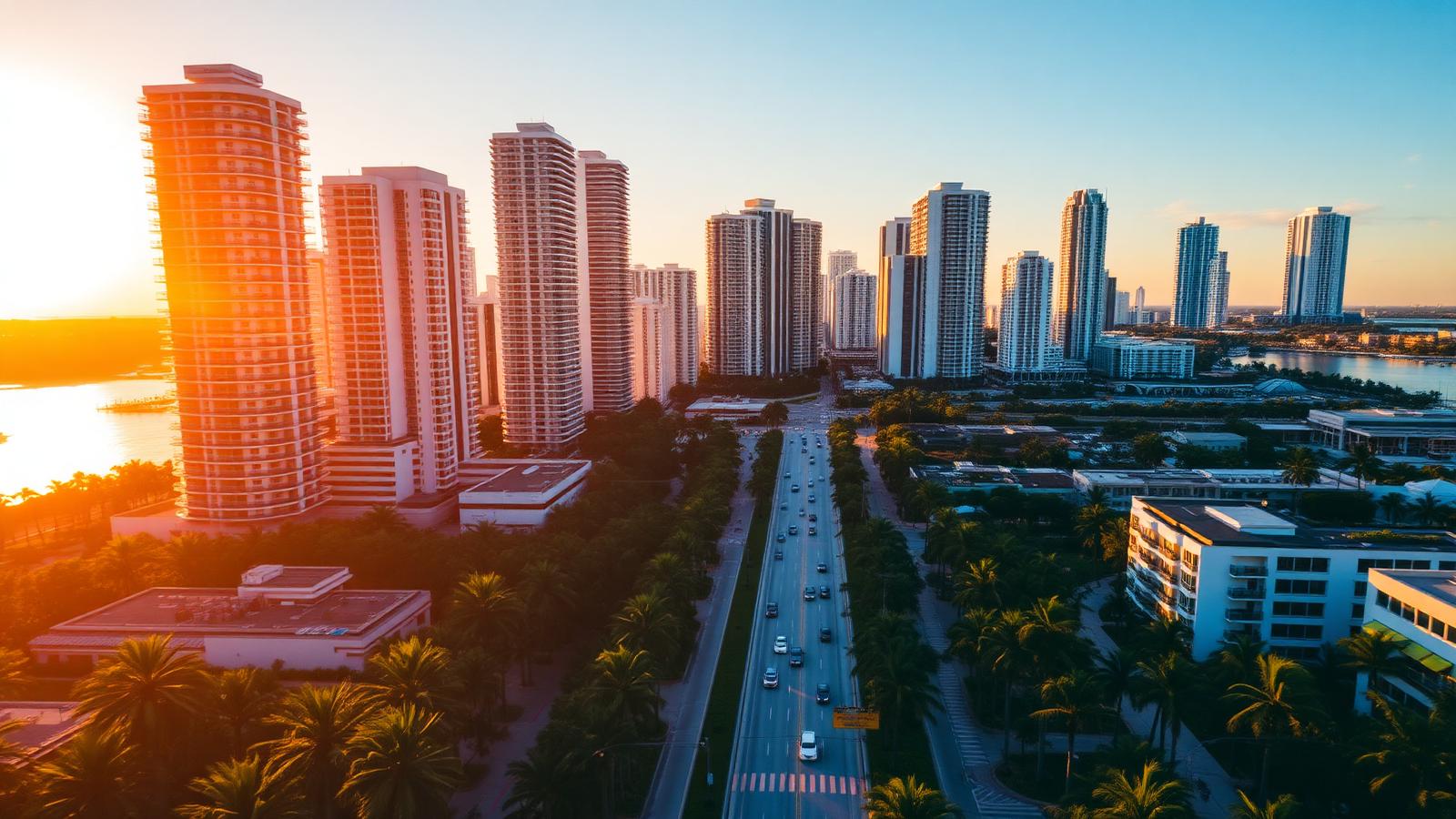
From Brickell high-rises to the causeways stretching across Biscayne Bay, driving in Miami puts your vehicle through a demanding mix of dense traffic, tropical rain, and relentless sun. This local resource hub is written for Miami drivers — covering the seasonal habits, insurance basics, and everyday care that keep your car reliable in the heart of South Florida.
- The 305CarCare Editorial Team
- Updated recently
- 6 min read
Key Takeaways
- Miami's stop-and-go traffic accelerates brake, tire, and suspension wear — routine inspections matter more here than in most U.S. cities.
- Afternoon thunderstorms, coastal humidity, and UV exposure age paint, rubber, and interiors faster than owners expect.
- Florida is a no-fault state — every Miami driver should understand PIP coverage before an accident happens, not after.
- When a collision does occur, you have the legal right to choose your own repair shop regardless of what your insurer suggests.
Overview
This page is a local resource hub for Miami, FL drivers. It’s not a service page and it’s not a sales pitch — it’s an educational reference covering local driving realities, vehicle-care habits that matter in South Florida, and the insurance basics every Florida driver should understand.
Driving in Miami
Miami consistently ranks among the most congested driving cities in the United States. I-95, the Palmetto Expressway (SR 826), the Dolphin (SR 836), and Biscayne Boulevard carry heavy commuter and tourist volume nearly every hour of the day. Expect abrupt lane changes, aggressive merges near the causeways, and construction zones that shift week to week.
Parking is its own consideration. Curbside spots in Brickell, Wynwood, and downtown are tight, and tight-quarter dings — bumper scuffs, door dents, mirror clips — are the most common non-collision damage Miami drivers deal with. Garages are widely available but often narrow; folding mirrors and installing curb-facing sensors pays for itself quickly.
- Highways: I-95, SR 826 (Palmetto), SR 836 (Dolphin), US-1, and the MacArthur and Rickenbacker causeways.
- Rush hour: 7–9:30 a.m. and 4–7 p.m. weekdays; weekend beach traffic peaks midday on the causeways.
- Common risks: flooded intersections after summer storms, aggressive merges, and tight urban parking.
Vehicle Care Tips for Miami
South Florida’s climate is beautiful and brutal at the same time. UV intensity, salt air blown in from Biscayne Bay, and humidity that rarely dips below 60% take a measurable toll on paint, plastic trim, rubber seals, and battery life. A car in Miami typically needs battery replacement 12–18 months sooner than the same vehicle in a temperate climate.
Practical routine: wash every two weeks (weekly if you park near the water), wax or apply a ceramic-coating booster every 3–6 months, run the A/C briefly even in winter to keep seals lubricated, and check coolant condition annually. Interior sunshades cost less than $20 and materially extend dashboard and leather life.
- Wash frequently to remove salt, brake dust, and love-bug residue (heaviest in May and September).
- Protect paint with wax, sealant, or ceramic coating — Miami UV oxidizes clear coat quickly.
- Check tire pressure monthly — high heat causes larger pressure swings than most drivers realize.
- Replace wiper blades at least twice a year; storms arrive fast and dry blades streak dangerously.
Insurance Considerations for Miami Drivers
Florida requires every driver to carry Personal Injury Protection (PIP) and Property Damage Liability (PDL). PIP pays up to $10,000 of your own medical bills after an accident regardless of fault — a critical detail Miami drivers should understand before they need it. Bodily Injury Liability is not state-mandated but is strongly recommended given the density and cost of medical care in Miami-Dade.
Miami-Dade also carries some of the highest auto-insurance premiums in the country, driven by traffic volume, fraud rates, and uninsured motorists. Adding uninsured/underinsured motorist coverage is one of the highest-value protections a Miami driver can add — it protects you when the at-fault driver has no coverage or flees the scene.
- Florida-required: PIP ($10,000) and Property Damage Liability ($10,000).
- Strongly recommended in Miami: Bodily Injury Liability and Uninsured/Underinsured Motorist coverage.
- Weather-related loss (flood, hail, hurricane, falling debris) is only covered under comprehensive — not collision.
Why This Matters
Proactive vehicle care isn’t about perfection — it’s about avoiding the expensive, stressful moments that a $30 wiper blade, a monthly tire check, or five minutes of insurance reading could have prevented. In a market like Miami, where repair costs, insurance premiums, and traffic density are all above the national average, small habits compound into real savings and real peace of mind.
What You'll Learn
- How Miami's climate and traffic affect long-term vehicle wear.
- Which Florida insurance coverages actually matter for Miami-Dade drivers.
- How to prepare for hurricane season and summer flooding.
- What to do immediately after an accident on I-95, SR 836, or a Miami surface street.
- Your legal right to choose your own collision repair shop in Florida.
Local Tip
Miami Local Tip
Miami’s near-daily summer thunderstorms combine flooded intersections with slick, oil-slick pavement in the first ten minutes of rain. Replace wiper blades every 6–9 months, check tire tread depth before hurricane season, and give yourself extra following distance on I-95 and the Palmetto — brake wear from constant traffic is the single most common Miami maintenance issue.
Recommended Resources
The following guides pair naturally with this page and give Miami drivers a full picture of what to do before, during, and after the situations most likely to affect them.
Frequently Asked Questions
How does Miami's climate affect my vehicle?
Intense UV, high humidity, and salt-laden coastal air oxidize paint, dry out rubber seals, and shorten battery life. Expect to replace batteries 12–18 months sooner than the national average and to wash and protect paint more frequently than drivers in cooler climates.
How often should I wash my car in Miami?
Every 1–2 weeks is a healthy baseline. If you park within a mile of Biscayne Bay or the Atlantic, closer to weekly is smart — airborne salt is one of the most underestimated causes of premature rust and clear-coat failure in Miami.
What should I do if my car is damaged during hurricane season?
Document everything before you move the vehicle: wide photos, close-ups of damage, and the surrounding scene. File a comprehensive-coverage claim (not collision) for storm damage, and don’t attempt to start a car that may have been submerged — water in the engine can turn a repairable claim into a total loss.
Are flood-damaged vehicles repairable in Miami?
Sometimes. Light water intrusion into the cabin is often repairable; water above the door sills or into the engine and electrical harness usually is not. A qualified shop and your insurer’s adjuster should assess the vehicle before any attempt to restart it.
How can I protect my paint from Miami sun exposure?
Park in shade or garages when possible, wash and wax every 4–8 weeks, and consider ceramic coating or paint protection film for high-impact areas (hood, roof, bumpers). Interior sunshades also protect the dashboard and steering wheel from cracking.
Do I have to use the shop my insurance company recommends?
No. Florida law gives you the right to choose your own collision repair shop. Insurers can suggest preferred network shops, but the final decision is always yours.
Is Miami-Dade really more expensive to insure than the rest of Florida?
Yes. Miami-Dade has some of the highest average auto premiums in the country because of traffic density, claim frequency, and uninsured-motorist rates. Comparing quotes annually and reviewing coverage levels regularly is especially worthwhile here.
Recommended Resource
Been in an accident in Miami?
If your vehicle has been involved in a collision and requires professional repair, our trusted repair partner, 411Collision.com, provides expert collision repair and insurance-claim assistance throughout South Florida — including Miami.
