

Areas Served · Fort Lauderdale
Vehicle Care Resources for Fort Lauderdale, FL
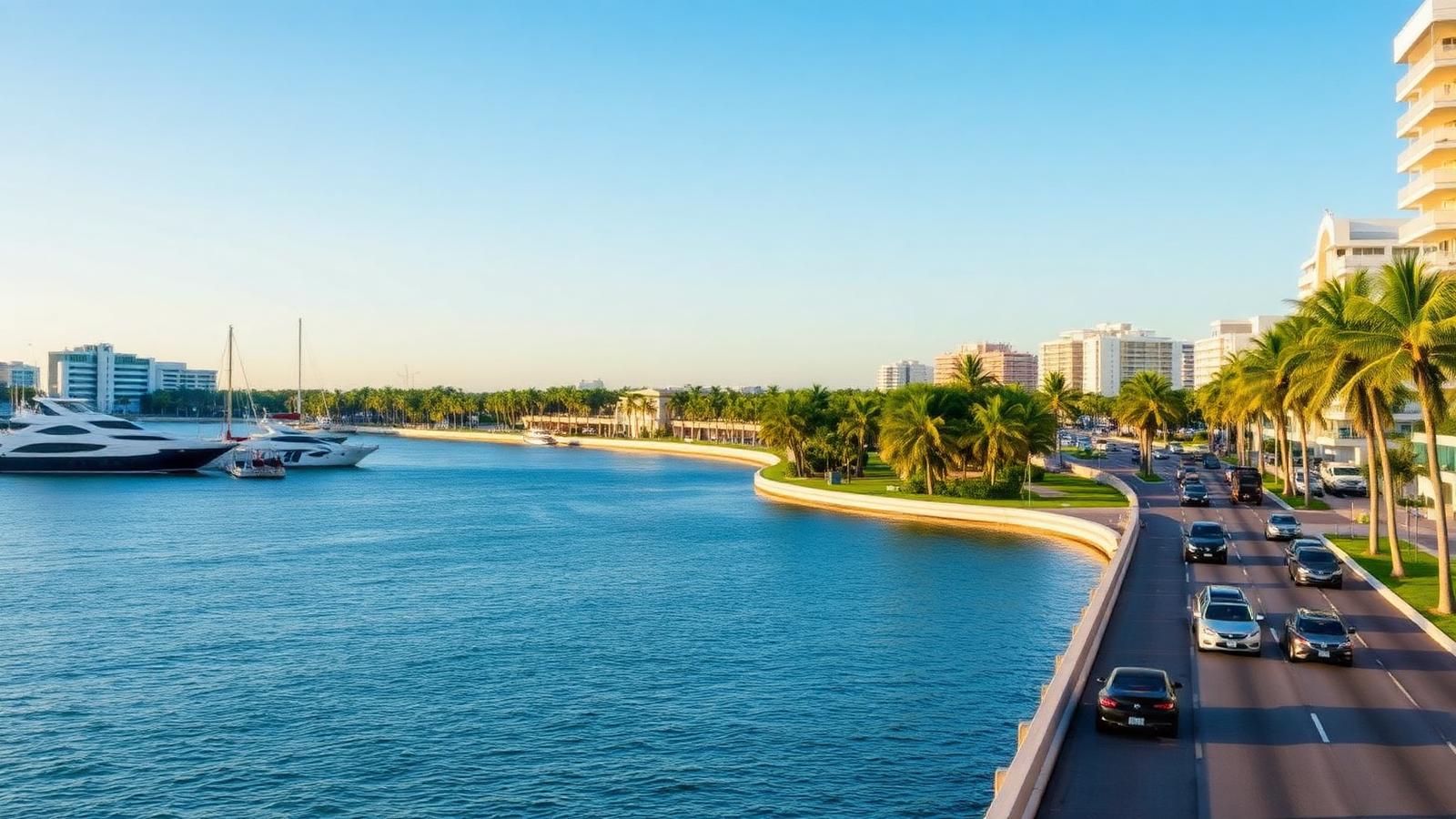
Fort Lauderdale drives differently than Miami. Between the Intracoastal Waterway, Las Olas Boulevard, I-95, and the beach corridor, this is a city built around water and cars in almost equal measure. This resource hub is written for Broward drivers who want a straight-forward, Florida-specific take on keeping their vehicles in shape.
- The 305CarCare Editorial Team
- Updated recently
- 6 min read
Key Takeaways
- Fort Lauderdale's coastal environment produces salt-air corrosion similar to Miami Beach — regular washing is essential.
- I-95 through Broward is one of Florida's busiest and most collision-heavy stretches — following distance matters.
- Drawbridge openings on Las Olas and the Intracoastal add unique timing considerations to local commutes.
- Comprehensive coverage is what protects against flood, storm, and salt-water intrusion.
Overview
This page is a local resource hub for Fort Lauderdale, FL drivers. It’s not a service page and it’s not a sales pitch — it’s an educational reference covering local driving realities, vehicle-care habits that matter in South Florida, and the insurance basics every Florida driver should understand.
Driving in Fort Lauderdale
Fort Lauderdale’s driving character is defined by I-95, Federal Highway (US-1), Sunrise Boulevard, Las Olas Boulevard, and A1A along the beach. I-95 through Broward is notorious for high-speed traffic, aggressive lane changes, and frequent construction zones, and it accounts for a large share of the region’s serious collision reports.
The city’s proximity to the Intracoastal means multiple drawbridges affect daily routes. Their schedules are published, and planning around them — rather than fighting them — is a real Broward driving skill.
- Key roads: I-95, Federal Highway (US-1), Sunrise Boulevard, Las Olas Boulevard, A1A.
- Rush hour: 7–9:30 a.m. and 4–7 p.m.; heavy weekend beach traffic in season.
- Common risks: high-speed I-95 collisions, drawbridge delays, and coastal flooding.
Vehicle Care Tips for Fort Lauderdale
Broward’s coast delivers the same salt-air realities as Miami-Dade’s — accelerated paint oxidation, brake-rotor rust, and undercarriage corrosion. Regular washes, undercarriage rinses after any flooding event, and a good coat of wax or sealant every 3–6 months keep vehicles looking (and functioning) their best.
For frequent I-95 commuters, follow the severe-service maintenance schedule. High-speed, high-density traffic is harder on brakes, tires, and cooling systems than average driving.
- Wash every 1–2 weeks; rinse the undercarriage after coastal flooding.
- Follow severe-service maintenance intervals if you commute on I-95.
- Replace wiper blades before hurricane season and check tire tread depth.
- Inspect brake components regularly; salt air accelerates rotor rust.
Insurance Considerations for Fort Lauderdale Drivers
Florida’s PIP and PDL basics apply, and Broward drivers should think carefully about comprehensive coverage (for flood, storm, and theft), uninsured motorist coverage (for I-95 collisions with drivers who lack insurance), and hurricane-deductible details on the declarations page.
Broward premiums tend to run slightly below Miami-Dade but well above the state average. Reviewing coverage annually and comparing quotes is a straightforward habit that often pays for itself.
- Comprehensive coverage protects against flood, storm, salt-water, and theft.
- Uninsured/Underinsured Motorist coverage is highly recommended for I-95 commuters.
- Review your hurricane deductible each spring — it may be a percentage, not a flat amount.
Why This Matters
Fort Lauderdale drivers cover a lot of ground in cars that face a lot of climate. A few consistent care habits and a coverage review each spring turn what could be expensive surprises into small, planned expenses.
What You'll Learn
- How I-95 commuting affects long-term wear.
- How coastal salt air accelerates corrosion — and how to counter it.
- Which insurance coverages matter most for Broward drivers.
- How to plan around drawbridges and coastal flooding.
- Your rights when choosing a Florida repair shop.
Local Tip
Fort Lauderdale Local Tip
Drawbridge openings along the Intracoastal — especially on Las Olas, Sunrise, and Commercial Boulevards — can add 10–15 minutes to a routine trip. Plan around published opening schedules for time-sensitive appointments, and never race a closing gate. Every year, insurers see claims from bridge-related low-speed collisions that were entirely avoidable.
Recommended Resources
The following guides pair naturally with this page and give Miami drivers a full picture of what to do before, during, and after the situations most likely to affect them.
Frequently Asked Questions
How does living near the Intracoastal affect my car?
Coastal humidity and airborne salt oxidize paint and metal faster than inland environments. Regular washing, waxing, and undercarriage rinses after flooding events extend paint and brake life significantly.
Is I-95 really that bad for wear and tear?
It’s one of the most demanding daily commutes in Florida. High speeds, dense traffic, and frequent stops qualify as severe-service duty for most manufacturers — shorter maintenance intervals are appropriate.
What should I do if my car floods during a Broward storm?
Do not attempt to start it. Photograph the water line, contact your insurer, and file a comprehensive-coverage claim. Cranking a submerged engine can turn a repairable claim into a total loss.
How can I prepare for hurricane season in Fort Lauderdale?
Park in a covered garage away from trees and power lines when possible, review your comprehensive coverage and hurricane deductible before June 1, and photograph the vehicle for a baseline record.
Do drawbridge collisions really happen?
Yes — usually low-speed rear-end collisions when a driver misjudges a closing gate or the stop of traffic in front of them. Plan routes around published opening schedules for time-sensitive trips.
Do I have to use my insurance company's suggested shop?
No. Florida law protects your right to choose your own collision repair shop, and that right applies throughout Broward.
Recommended Resource
Been in an accident in Fort Lauderdale?
If your vehicle has been involved in a collision and requires professional repair, our trusted repair partner, 411Collision.com, provides expert collision repair and insurance-claim assistance throughout South Florida — including Fort Lauderdale.
