

Areas Served · Miami Beach
Vehicle Care Resources for Miami Beach, FL
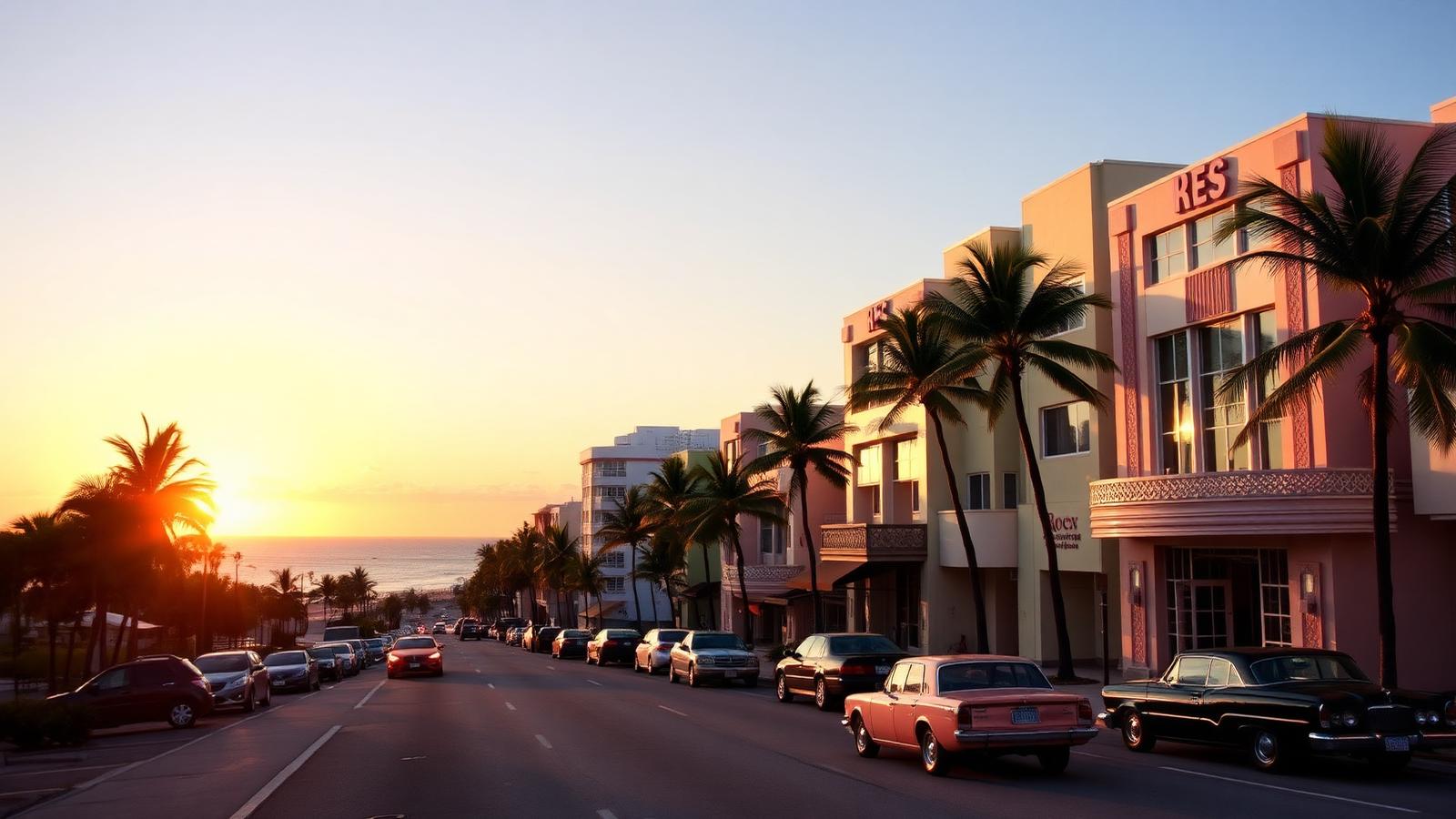
Life on the barrier island is stunning — and unusually hard on cars. Between Ocean Drive salt spray, Collins Avenue congestion, and the tight, historic streets of South Beach, Miami Beach vehicles face conditions most mainland drivers never encounter. This resource hub is written for owners who live, work, or park regularly on the island.
- The 305CarCare Editorial Team
- Updated recently
- 6 min read
Key Takeaways
- Salt air is the number-one long-term threat to Miami Beach vehicles — expect faster oxidation on paint, brake components, and undercarriage.
- Storm surge and street flooding on Alton Road, Indian Creek, and low-lying side streets are common during king tides and hurricane season.
- Tight parallel parking and narrow historic streets make minor cosmetic damage the most frequent island claim.
- Comprehensive coverage — not collision — is what protects you against flood, salt-water intrusion, and storm-related loss.
Overview
This page is a local resource hub for Miami Beach, FL drivers. It’s not a service page and it’s not a sales pitch — it’s an educational reference covering local driving realities, vehicle-care habits that matter in South Florida, and the insurance basics every Florida driver should understand.
Driving on the Island
Miami Beach is a barrier island connected to the mainland by four causeways: the MacArthur, Venetian, Julia Tuttle, and John F. Kennedy. Each has its own traffic pattern, and none of them are forgiving during rush hour, spring break, or major event weekends. On the island itself, Collins Avenue, Washington Avenue, and Alton Road carry the bulk of traffic; the residential side streets are narrow and often one-way.
Parking is the defining challenge. Metered street parking is competitive and closely enforced, garage clearances are low, and tight parallel spots produce more curbed wheels and bumper scuffs than anywhere else in Miami-Dade. If you drive a full-size SUV or truck, plan garage routes in advance.
- Causeways: MacArthur (I-395), Venetian, Julia Tuttle (I-195), and JFK to North Bay Village.
- Peak congestion: weekends, spring break, Art Basel, and major holiday weekends.
- Most frequent cosmetic damage: parallel-parking curb rash, mirror clips, and low-speed bumper contact.
Vehicle Care Tips for Miami Beach
Salt air, salt spray, and salt residue on the roads after storm surge are the single largest maintenance concern on the island. Chrome trim, aluminum wheels, brake rotors, exhaust components, and any exposed steel oxidize faster here than on the mainland. Rustproofing undercoating, quality ceramic coating, and frequent washing with a proper decontamination step (iron remover, clay bar every 6–12 months) go a long way.
Humidity is high year-round, so interior mold and mildew can develop if a vehicle sits closed for weeks. If you’re leaving the island for the summer, crack a window in the garage, use a moisture absorber, and consider a battery tender for cars that won’t be driven for a month or more.
- Wash weekly, and rinse the undercarriage after any storm-surge or coastal-flood event.
- Wax, sealant, or ceramic coating is not optional on the island — it's baseline protection.
- Inspect brake components every oil change; surface rust on rotors is common near the coast.
- For long absences, use a battery tender and moisture absorber inside the cabin.
Insurance Considerations for Miami Beach Drivers
Florida’s basic requirements (PIP and PDL) apply here just as they do everywhere in the state, but coastal residents should look carefully at comprehensive coverage. Comprehensive is what pays for hurricane damage, flood damage, salt-water intrusion, fallen palm fronds, and theft — none of which are covered by a collision-only policy.
Deductibles matter, too. In much of Florida, hurricane deductibles are separate from standard comprehensive deductibles and can be significantly higher (2–5% of the vehicle’s value). Review your declarations page before June 1 each year.
- Comprehensive coverage is essential for barrier-island owners — it covers flood, storm, and theft.
- Check your hurricane deductible before storm season; it may be a percentage, not a flat dollar figure.
- Uninsured motorist coverage remains highly recommended for all Miami-Dade drivers.
Why This Matters
Owning a vehicle on Miami Beach is a slightly different discipline than owning one on the mainland. The same climate that makes the island beautiful is quietly working against your car every day. A few small habits — a weekly wash, an annual ceramic top-up, a pre-season insurance review — dramatically reduce the odds of an expensive surprise.
What You'll Learn
- How coastal salt air changes routine maintenance intervals.
- How to prepare a Miami Beach vehicle for hurricane season and king tides.
- Which insurance coverages matter most for barrier-island owners.
- How to protect paint, brakes, and undercarriage from salt exposure.
- What to do after a coastal flooding event.
Local Tip
Miami Beach Local Tip
Salt air is invisible but relentless. If you live east of Alton Road, rinse your vehicle’s undercarriage every 2–3 weeks with fresh water, keep a fresh coat of wax or sealant year-round, and watch brake rotors closely — surface rust and pitting show up on the island long before they’d appear in Kendall or Doral.
Recommended Resources
The following guides pair naturally with this page and give Miami Beach drivers a full picture of what to do before, during, and after the situations most likely to affect them.
Frequently Asked Questions
How does living on Miami Beach affect my car?
Salt air accelerates rust and paint oxidation, humidity encourages mold in stored vehicles, and coastal flooding introduces salt water to areas that were never designed to handle it. Owners should expect shorter intervals on paint protection and brake maintenance than mainland drivers.
How often should I wash my car near the ocean?
Weekly is a healthy baseline, with an undercarriage rinse after any coastal-flood or storm-surge event. Salt is corrosive whether you can see it or not.
What should I do if my Miami Beach car floods during a storm?
Do not attempt to start the engine — cranking a flooded engine can turn a comprehensive claim into a total loss. Document the water line with photos, contact your insurer, and have the vehicle towed to a qualified shop for evaluation.
Is a ceramic coating worth it on the island?
For most owners, yes. Ceramic coatings don’t stop salt or UV completely, but they make regular washes far more effective and slow the oxidation cycle noticeably compared to bare clear coat.
Do I need special insurance because I live on Miami Beach?
You need the same Florida-required coverages as any driver, but comprehensive coverage is far more important on the island than in most of the state because it’s the only coverage that responds to flood, storm surge, and hurricane damage.
How can I protect my car during king tides?
Move it to higher ground when tides and forecasts warn of flooding, avoid driving through standing salt water, and rinse the undercarriage with fresh water afterward. Even brief exposure can begin corrosion.
Are hurricane deductibles different from my regular deductible?
Often, yes. Many Florida policies apply a separate hurricane or named-storm deductible that can be a percentage of the vehicle’s value rather than a flat amount. Review your policy before June 1 each year.
Recommended Resource
Been in an accident in Miami Beach?
If your vehicle has been involved in a collision and requires professional repair, our trusted repair partner, 411Collision.com, provides expert collision repair and insurance-claim assistance throughout South Florida — including Miami Beach.
