

Areas Served · North Miami
Vehicle Care Resources for North Miami, FL
North Miami is a mixed-use, mixed-density city — busy Biscayne Boulevard on one side, quiet residential blocks on the other, and everyday commuting to Aventura, downtown Miami, and Doral for many residents. This resource hub is written for drivers navigating that variety and looking for practical, no-sales-pitch guidance on caring for a South Florida vehicle.
- The 305CarCare Editorial Team
- Updated recently
- 6 min read
Key Takeaways
- North Miami's mix of highway commuting and dense surface streets is uniquely hard on brakes and tires.
- Biscayne Boulevard congestion is the top daily wear factor for local drivers.
- Low-lying areas near NE 6th Avenue and the FIU-Biscayne Bay campus flood regularly during heavy rain.
- Comprehensive coverage is what pays for storm, flood, and theft — collision does not.
Overview
This page is a local resource hub for North Miami, FL drivers. It’s not a service page and it’s not a sales pitch — it’s an educational reference covering local driving realities, vehicle-care habits that matter in South Florida, and the insurance basics every Florida driver should understand.
Driving in North Miami
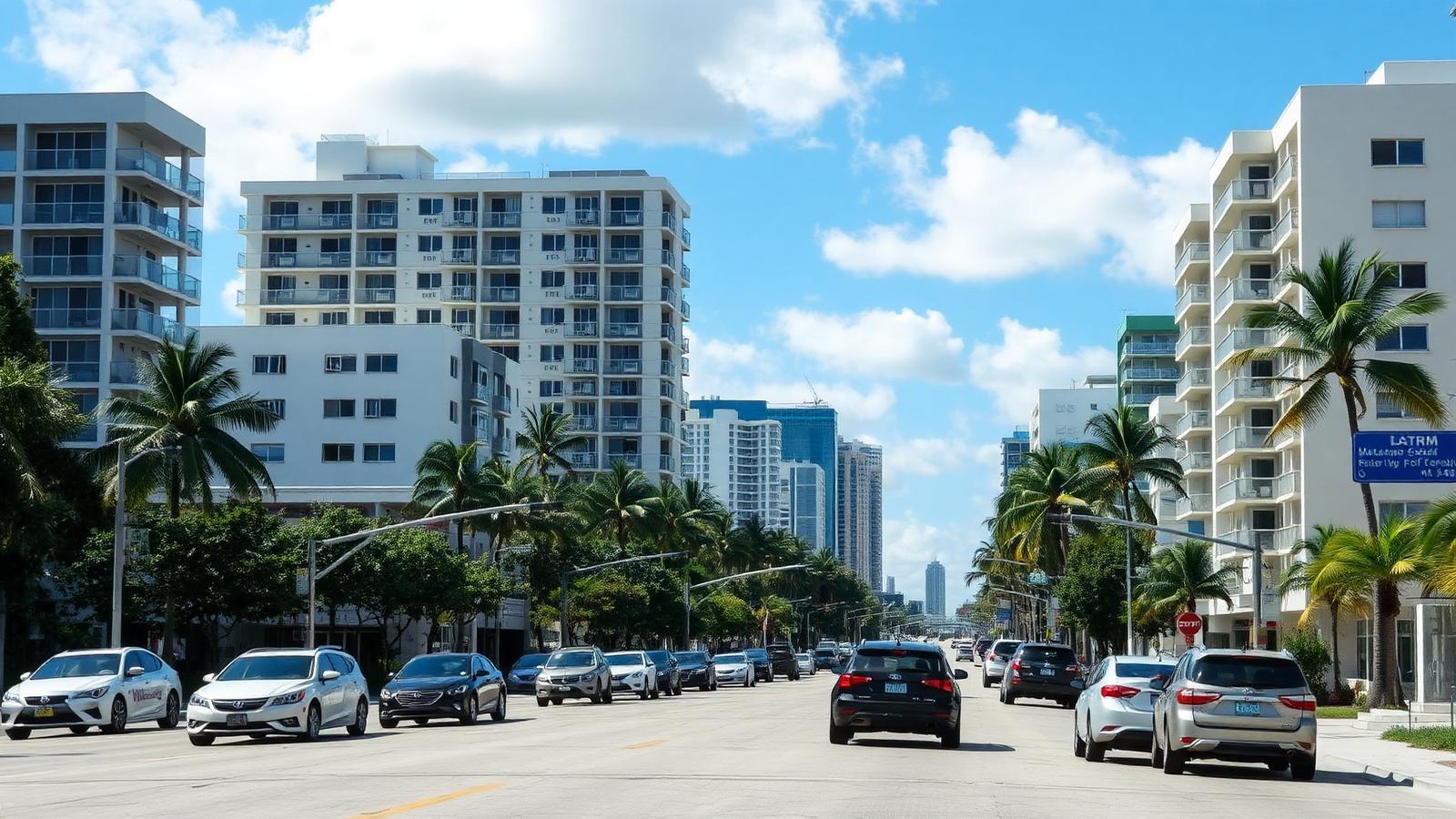
North Miami drivers rely on Biscayne Boulevard (US-1), I-95, NE 6th and 8th Avenues, and NW 7th Avenue for daily movement. Traffic to Aventura, downtown Miami, and Doral is heavy in both directions, and the city’s older grid means signal timing rarely favors long-distance commuters.
The city’s residential blocks are quieter but often tightly parked. Low-speed cosmetic damage — mirror clips, bumper taps, curbed rims — is one of the most common local repair items.
- Key roads: US-1 (Biscayne Boulevard), I-95, NE 6th Avenue, NW 7th Avenue.
- Rush hour: 6:30–9 a.m. and 4–7 p.m.; heavy commercial traffic in industrial pockets.
- Common risks: heavy brake wear, tight residential parking, and flash flooding.
Vehicle Care Tips for North Miami
US-1 commuting is stop-and-go by nature, which accelerates brake wear and puts extra strain on transmissions. Following the severe-service maintenance schedule is a practical baseline for regular Biscayne Boulevard drivers.
North Miami sits close enough to Biscayne Bay for coastal humidity to matter. Regular washing, wax or sealant every 3–6 months, and a spring hurricane-season prep keep vehicles resilient.
- Follow severe-service maintenance intervals if you commute daily on US-1 or I-95.
- Inspect brake pads at every oil change; Biscayne Boulevard is hard on brakes.
- Wash regularly and apply sealant every 3–6 months to protect against humidity and pollen.
- Check tire tread and wiper blades before June — storms arrive fast.
Insurance Considerations for North Miami Drivers
Florida-required PIP and PDL apply, but North Miami drivers should look carefully at comprehensive (flood, storm, theft), uninsured motorist (given Miami-Dade’s high uninsured-driver rate), and rental reimbursement (a small add-on that pays off quickly if your primary vehicle is out of service).
Premiums here reflect Miami-Dade’s overall risk profile. Shopping quotes annually and reviewing deductibles is one of the most effective cost-control habits for local drivers.
- Comprehensive coverage: essential for weather and theft protection.
- Uninsured/Underinsured Motorist: highly recommended in Miami-Dade.
- Rental reimbursement: small cost, meaningful benefit for daily commuters.
Why This Matters
North Miami residents get a lot out of their vehicles — commuting, family logistics, weekend beach trips, and everything in between. A little preventive care and a well-understood insurance policy keeps everyday life moving even when the weather or the traffic doesn’t cooperate.
What You'll Learn
- How Biscayne Boulevard commuting affects brake and tire life.
- How to spot early signs of brake wear before rotors are damaged.
- Which insurance coverages matter most for North Miami drivers.
- How to prepare for hurricane season and street flooding.
- Your rights when choosing a Florida repair shop.
Local Tip
North Miami Local Tip
Biscayne Boulevard’s mix of aggressive drivers, frequent lane changes, and constant signal timing produces heavy brake wear. Have your brake pads inspected at every oil change if you commute daily on US-1 — early replacement is far cheaper than warped rotors or damaged calipers.
Recommended Resources
The following guides pair naturally with this page and give Miami drivers a full picture of what to do before, during, and after the situations most likely to affect them.
Frequently Asked Questions
Why do my brakes wear out so quickly in North Miami?
US-1 and I-95 commuting is stop-and-go, and stop-and-go traffic is one of the hardest environments for brake pads and rotors. Inspect at every oil change and follow severe-service intervals if you commute daily.
What should I do if my street floods during a storm?
Don’t drive through standing water deeper than your bumper, and never start a car that may have been flooded — cranking a submerged engine can turn a repairable claim into a total loss.
Is comprehensive coverage worth it in North Miami?
For most owners, yes. Comprehensive is the only coverage that pays for flood, hurricane, hail, and theft — all realistic risks in the area.
How can I protect my paint from Florida sun and humidity?
Wash regularly, wax or apply sealant every 3–6 months, park in shade or a garage when possible, and consider ceramic coating for long-term protection.
Why is Miami-Dade insurance so expensive?
Traffic density, uninsured-driver rates, and claim frequency all raise premiums in Miami-Dade. Comparing quotes annually is the most effective cost-control habit.
Do I have to use the shop my insurer recommends?
No. Florida law protects your right to choose your own collision repair shop.
Recommended Resource
Been in an accident in North Miami?
If your vehicle has been involved in a collision and requires professional repair, our trusted repair partner, 411Collision.com, provides expert collision repair and insurance-claim assistance throughout South Florida — including North Miami.
